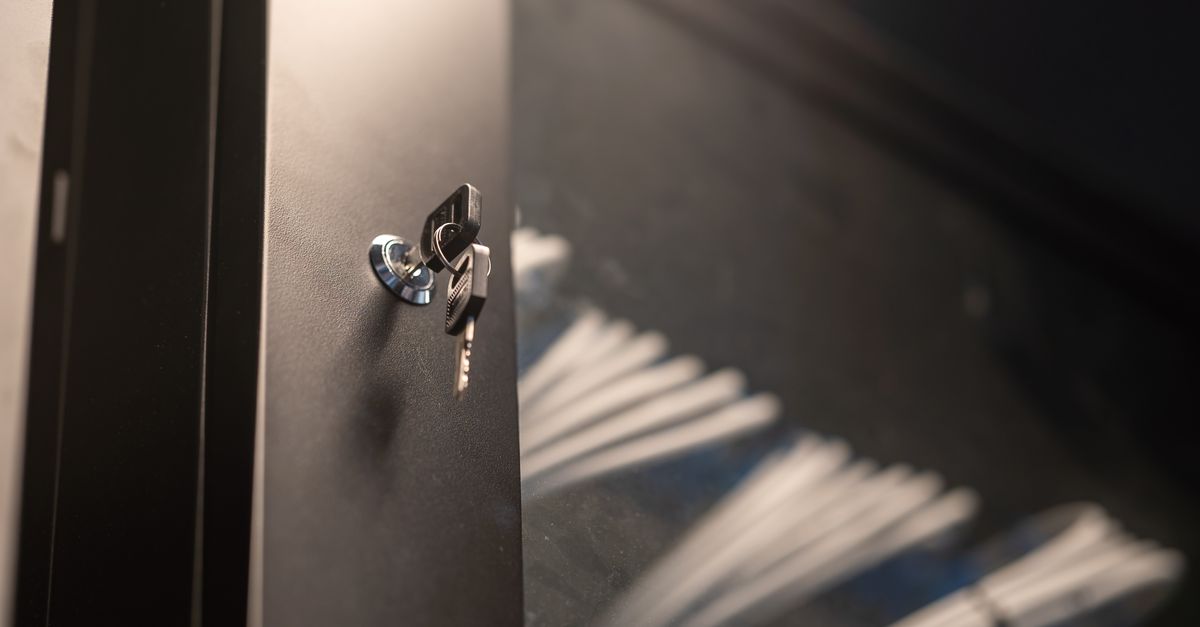
What Makes a Commercial Lock Different From a Residential One
The terminology matters here. When a locksmith or hardware supplier uses the term 'commercial grade,' they are describing a specific set of ANSI/BHMA performance ratings — cycle counts, bolt throw depth, strike plate gauge, and backset tolerances — that residential locks simply do not meet. A door knob lock sold at a home improvement store is typically rated for a few hundred thousand cycles; a commercial mortise lock cartridge is engineered for several million. That gap becomes very real on a storefront that sees dozens of employees, delivery personnel, and customers passing through every single day. Beyond raw durability, commercial locks are designed around access hierarchy: a master key system can allow a building owner to open every suite while each tenant holds keys that work only on their own door — something a standard residential lockset cannot replicate cleanly.
Green Township businesses also need to consider door construction. Many older commercial buildings along the township's historic corridors have solid-core wood doors with deep mortise pockets already routed into the edge — a legacy of an era when mortise locks were the standard. Installing a modern cylindrical lock over that pocket without properly addressing the void compromises door integrity. Our technicians assess the existing door prep before recommending hardware, ensuring the new installation is structurally sound and aligns with the door's existing reinforcement.